
Prevent Wig Matting: Must-Have Tips for Effortless Care

Updated: Apr 28
Prevent wig matting is essential for maintaining the look and longevity of your wig. Whether you’re a seasoned wig wearer or new to the world of wigs, knowing how to prevent matting can save you time, frustration, and money. In this guide, we will walk you through essential tips and techniques to keep your wig looking fresh and stylish, allowing you to flaunt your fabulous hair without worries.

Understanding Wig Matting
Before diving into how to prevent wig matting, it’s important to understand what matting is. Wig matting occurs when the hair fibers intertwine and tangle, leading to a messy appearance and making it difficult to style. This problem is more common in longer wigs, wigs with high heat resistance, and those made from certain synthetic fibers. Knowing the causes of matting can help you take steps to avoid it.
Common Causes of Wig Matting
Friction: One of the leading causes of wig matting is friction from everyday wear. Constant rubbing against clothing, scarves, coats, pillows, or even your shoulders can cause strands especially at the nape to tangle and knot over time. This repeated friction roughens the fibers and makes matting more likely, particularly with longer wigs.
Humidity and Weather Conditions: Environmental factors such as humidity, heat, wind, and rain can all contribute to matting. Moisture in the air can cause synthetic fibers to swell or frizz, while windy conditions can create tangles and knots. Extreme weather can also leave wigs feeling dry, rough, or harder to manage.
Improper Storage: How a wig is stored plays a major role in preventing matting. Tossing a wig into a drawer, bag, or cramped case can cause fibers to bend, rub together, and tangle. Proper storage on a wig stand or mannequin head helps maintain the wig’s shape, reduces friction, and prevents unnecessary knotting.
Lack of Maintenance: Skipping regular washing, detangling, and conditioning allows product buildup, dirt, and oils to accumulate on the fibers. This can make the wig feel sticky, dry, or rough, increasing the chances of tangling and matting. A consistent maintenance routine helps keep fibers smooth, soft, and manageable.
Using the Wrong Products: Applying products not specifically formulated for wigs such as heavy oils, regular hair products, or harsh shampoos can weigh fibers down, cause buildup, or even damage synthetic strands. Using wig-safe products helps preserve the texture of the fibers, reduce tangles, and keep the wig looking its best.
Essential Tips to Prevent Wig Matting
Here are some crucial tips to help you maintain your wig and prevent matting effectively:

1. Choose High-Quality Wigs
Investing in high-quality wigs is the first and most important step in preventing matting. Wigs made from premium synthetic fibers or human hair are more resilient and do not mat as easily as lower-quality options. Look for brands that have good reviews and offer wigs that suit your lifestyle and preferences.
2. Proper Washing Techniques
Regular washing is essential but can also contribute to matting if not done properly. Here’s how to effectively wash your wig:
Use the Right Products: Choose wig-specific shampoos and conditioners formulated for your wig type, whether synthetic or human hair. These products are designed to cleanse gently without stripping moisture or damaging fibers. Avoid regular hair products that may contain heavy oils, sulfates, or alcohols, as they can cause buildup, dryness, or tangling.
Gentle Washing: Fill a basin with cool or lukewarm water and add a small amount of wig shampoo. Submerge the wig and gently swish it through the water to remove dirt and product buildup never rub, twist, or wring the hair, as this can cause tangling and matting. For extra care, use downward motions when cleansing to help keep the fibers smooth. Rinse thoroughly with cool water until all product is removed.
Conditioning: Apply a wig-safe conditioner to the mid-lengths and ends, focusing on areas prone to dryness and tangling. Avoid applying conditioner directly to the roots or cap, especially for synthetic wigs or bonded wigs, as it can cause slippage or buildup. Let the conditioner sit for several minutes so the hair can absorb moisture, then rinse thoroughly with cool water to help smooth the cuticle and enhance softness.
Detangle Before and After Washing: Before washing, gently detangle the wig with a wide-tooth comb or wig brush, starting from the ends and working upward. After washing, detangle again while the wig is damp to prevent knots from forming as it dries.
Dry Properly: After rinsing, gently blot excess water with a microfiber towel never rub the wig dry. Place it on a wig stand to air dry so it maintains its shape and dries evenly. Avoid excessive heat unless the wig is heat-friendly or human hair, and always use a heat protectant when styling.
3. Drying Techniques
After washing, how you dry your wig is crucial. Here are some tips:
Avoid Heat: Never use a hairdryer on your wig. Instead, gently blot it with a towel to remove excess water.
Air Dry: Place your wig on a wig stand to allow it to air dry naturally. This helps maintain the wig's shape and reduces the chance of tangling.
4. Daily Grooming Routine
Just like your natural hair, your wig requires daily care to prevent matting. Follow a grooming routine:
Use a Wide-Tooth Comb or Wig Brush: Gently detangle your wig daily using a wide-tooth comb or a brush specifically designed for wigs. Always start at the ends and work your way upward in small sections to prevent unnecessary pulling and breakage. For curly or textured wigs, finger detangling may also help preserve the pattern while reducing stress on the fibers.
Be Gentle: Tangled or matted areas can be delicate, so patience is key. Never yank or pull through knots, as this can cause shedding, fiber damage, or even shorten the lifespan of the wig. Instead, slowly work through tangles section by section, using light strokes and your fingers when needed.
Spray Leave-In Conditioner: A lightweight leave-in conditioner or wig detangling spray can help keep fibers soft, hydrated, and easier to manage. Lightly mist the wig to reduce friction, improve softness, and prevent dryness that can lead to tangling and matting. Be sure to use products appropriate for your wig type.
5. Protective Styling
If you wear your wig for extended periods, applying protective styles can help minimize friction and tangling. Consider these techniques:
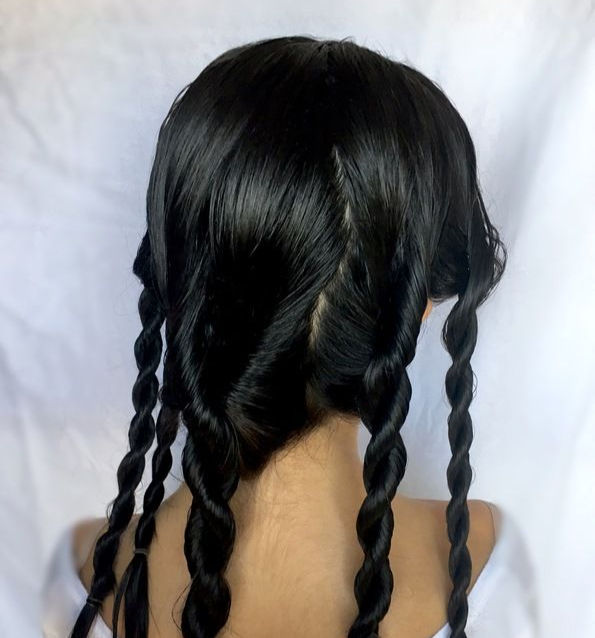
Low-Manipulation Styles: Wearing your wig in low-manipulation styles such as loose braids, low ponytails, or soft buns can help reduce friction and prevent tangling throughout the day. These styles limit excessive movement and keep the hair more controlled, especially for longer wigs.
Braid Before Bed: If you wear your wig for extended periods or sleep in it, loosely braiding the hair at night can help prevent knots and matting while reducing friction against pillows and bedding.
Use Silk or Satin Accessories: Silk or satin scarves, bonnets, and pillowcases help reduce friction compared to cotton, which can cause dryness and tangling. These materials help the wig glide smoothly and preserve softness.
6. Proper Storage
When you’re not wearing your wig, store it properly to prevent matting:
Use a Wig Stand: Store your wig on a wig stand or mannequin head whenever possible to help maintain its shape, preserve the style, and prevent tangling. Proper support keeps the fibers from rubbing together and reduces the chances of matting, especially for longer wigs.
Avoid Crumpling: Never toss your wig into a drawer, bag, or pile when not in use. Crumpling can distort the shape, create knots, and cause fibers to rub together, leading to unnecessary tangling and matting. Keeping the wig properly positioned helps extend its lifespan and keeps it looking polished.
Keep Long Wigs Neat: For longer wigs, gently braid or loosely tie the hair before storing to prevent strands from knotting together. This is especially helpful for curly or textured wigs that are more prone to tangling.
Preventing wig matting requires a combination of good habits, the right products, and consistent care. By understanding the common causes of matting and following these essential tips, you can ensure your wig remains stylish, easy to manage, and long-lasting.
Embrace the journey of wig care, and you'll find that with the right techniques, you can enjoy the versatility and beauty of wigs without the hassle of tangling or matting. Now, go ahead and flaunt your beautiful locks with confidence!
Product Title
16 px collapsible text is perfect for longer content like paragraphs and descriptions. It’s a great way to give people more information while keeping your layout clean. Link your text to anything, including an external website or a different page. You can set your text box to expand and collapse when people click, so they can read more or less info.
$320

Product Title
16 px collapsible text is perfect for longer content like paragraphs and descriptions. It’s a great way to give people more information while keeping your layout clean. Link your text to anything, including an external website or a different page. You can set your text box to expand and collapse when people click, so they can read more or less info.
$900

Product Title
16 px collapsible text is perfect for longer content like paragraphs and descriptions. It’s a great way to give people more information while keeping your layout clean. Link your text to anything, including an external website or a different page. You can set your text box to expand and collapse when people click, so they can read more or less info.
$560


Comments